Stop the Rot
Onion bulb crops are grown on approximately 140,000 acres/year in seven primary regions of the U.S., with a farm-gate value of $925M. Bacterial diseases of onion cause more than $60M in losses annually to this industry. Losses can be particularly severe for stored bulbs as bacterial rots typically develop in storage, after all production costs have been incurred.
This video summarizes practical options for onion producers to manage bacterial diseases of onion based on results generated over 6 years of research and extension by onion specialists from 12 universities. This ‘Stop the Rot’ project (2019-51181-30013) was funded by the Specialty Crops Research Initiative of the USDA National Institute of Food and Agriculture from 2019-2025 to characterize the bacterial pathogens that affect onion production in the USA and optimize management practices for onion growers and packers.
Bacterial diseases impact onion production across the USA and the world. A wide diversity of bacteria cause diseases of onion. The pathogens are ubiquitous and very difficult to manage. We lack rapid methods of detecting and identifying the pathogens, we have limited understanding of why they cause diseases of onion, there are no highly resistant commercial onion cultivars, and there are no systemic, curative bactericides that are very effective against these pathogens. This $4M ‘Stop the Rot’ project was funded by the Specialty Crops Research Initiative of the USDA National Institute of Food and Agriculture (project 2019-51181-30013), starting in 2019, to characterize bacterial pathogens that affect onions in the USA, and optimize effective management practices for onion growers and packers. The project involved research and extension specialists from 12 universities, with a stakeholder advisory panel of diverse onion stakeholders from across the USA to provide grassroots guidance for the project.
This ‘Stop the Rot’ project organized 24 scientists in diverse disciplines across the U.S. to research the complete system (host, pathogen, environment) of bacterial diseases of onion. The aim was to develop practical, economically sound strategies for pathogen detection and management to improve profitability and sustainability of onion production.
The project had two primary research objectives:
A: National survey across all onion growing regions, to compare the genomics of onion bacterial pathogens collected in different regions to:
- identify virulence factors
- develop practical molecular diagnostic tools for identifying specific bacterial pathogens
- develop phenotypic resistance screening methods
B: Through research trials, identify onion production practices, environmental factors and inoculum sources that impact bacterial diseases, then use this knowledge to develop effective, practical solutions for managing bacterial diseases.

This work was supported by Specialty Crops Research Initiative Award 2019-51181-30013 from the USDA National Institute of Food and Agriculture. Any opinions, findings, conclusions, or recommendations expressed in this publication are those of the author(s) and do not necessarily reflect the view of the U.S. Department of Agriculture.
New Onion World Magazine article, in the May/June 2022 issue:
A Collaborative Effort: Joint Allium Research Meeting Showcases Latest Research on Onion Production, Pests, Diseases.
Stop the Rot annual project team meeting will be on March 1, 2022 in Denver, CO. See the meeting page for details.
Stop the Rot annual Stakeholder Advisory Panel videoconference will be on March 25, 2022. More information will be sent to panel members nearer the time.
Stop the Rot Team Newsletter – September 2020
- To disinfect or not? Can postharvest applications of disinfectants reduce bacterial bulb rots in storage? Article by Lindsey du Toit and Tim Waters in Onion World magazine, July/August 2021. Onion World Magazine July/August 2021
- Two critical pieces of the puzzle: Irrigation & nitrogen management impacts on bacterial bulb rots. Article by Gabriel LaHue in Washington State University’s Onion Alert bulletin, September 2021.
- Bacterial Bulb Rot Diseases in Utah. Article by Claudia Nischwitz in the Utah Pests Quarterly Newsletter, Vol. 15, Spring 2021.
- Progress report on the Stop the Rot Project, in Onion World magazine, May/June 2021.
- Onion disease management in Georgia. Article by Bhabesh Dutta in Vegetable and Specialty Crop News, February 2021.
Resources
Publications and Resources include
-
Videos
-
Articles
- Popular articles
- Peer-reviewed scientific articles
-
Plant Disease Management Reports
- Irrigation and nitrogen management
- Bactericides
- Cultural practices
- Post-harvest treatments
- Cultivar trials
-
Presentations
- Stop the Rot Overview Oral Presentations
- Specific Topic Oral Presentations
- Posters
-
Related Materials
- Extension bulletins
- Related resources
- Other resources
-
Stakeholder Meetings
- 2024 Stakeholder Advisory Panel Updates

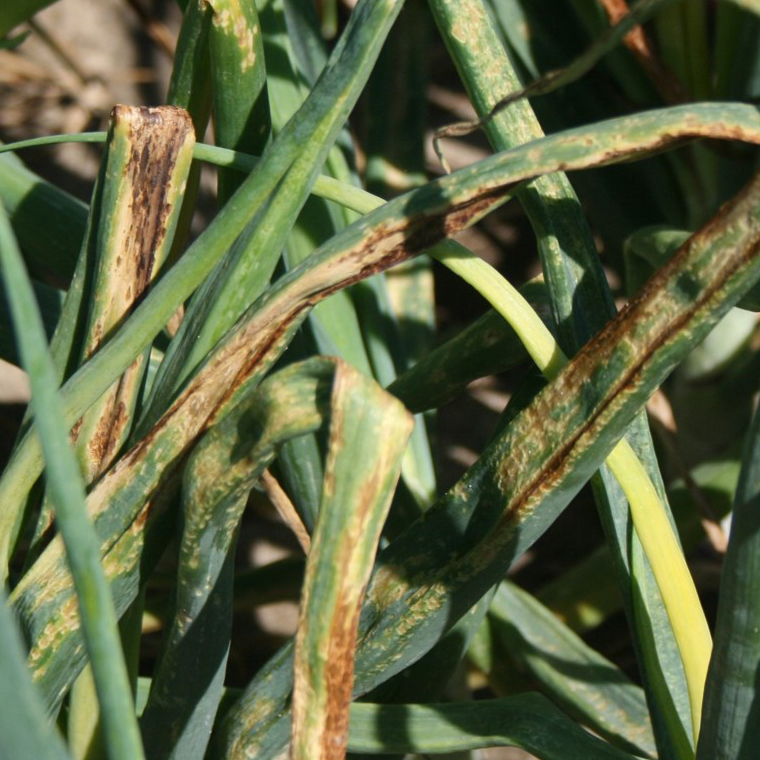
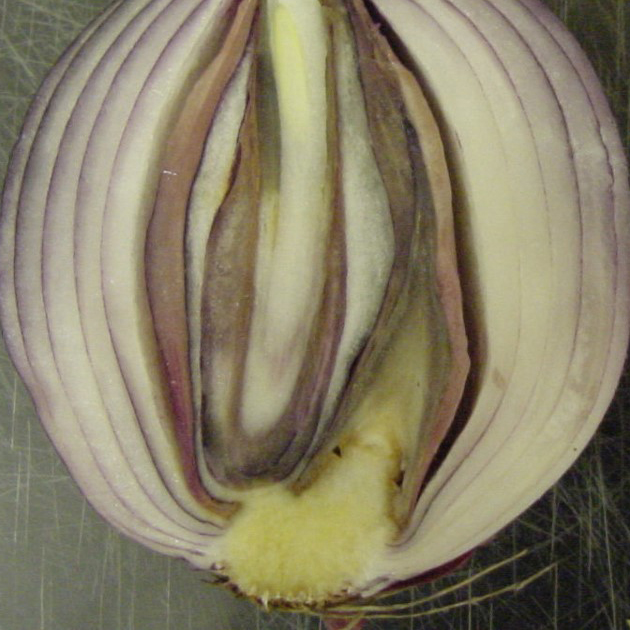
Bacterial diseases of onion occur across the U.S. They are difficult to manage due to a lack of effective, rapid detection methods, relatively poor understanding of the diversity and epidemiology of bacterial pathogens, and a lack of systemic bactericides that can treat these diseases and mitigate losses to the industry. In addition, there are few or no known resistant commercial cultivars.
We know from research and trials that a number of factors favor the development of bacterial diseases. These factors include:
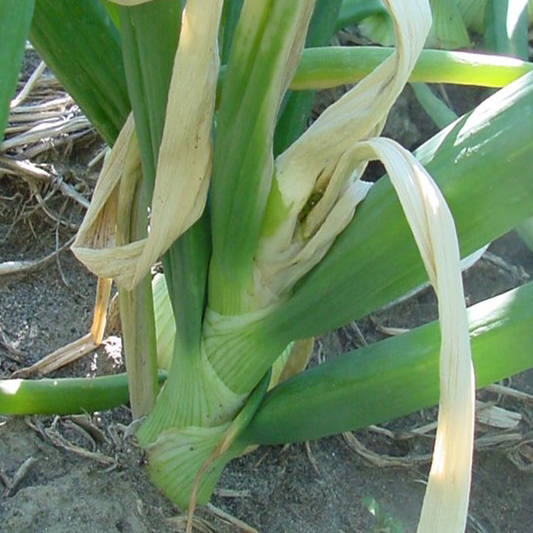
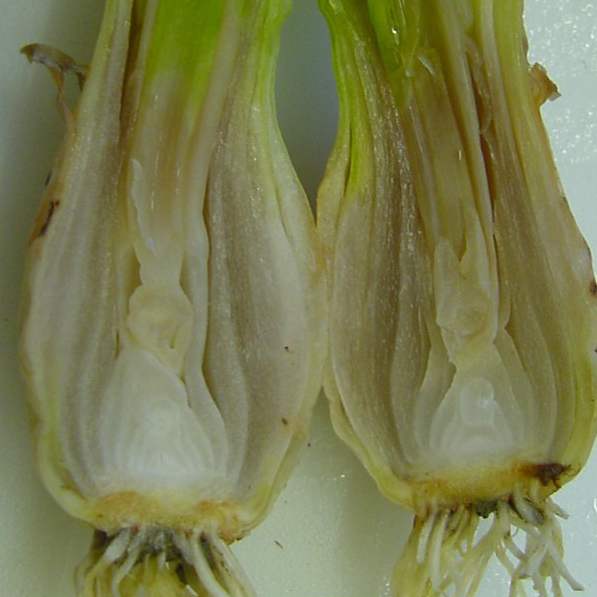
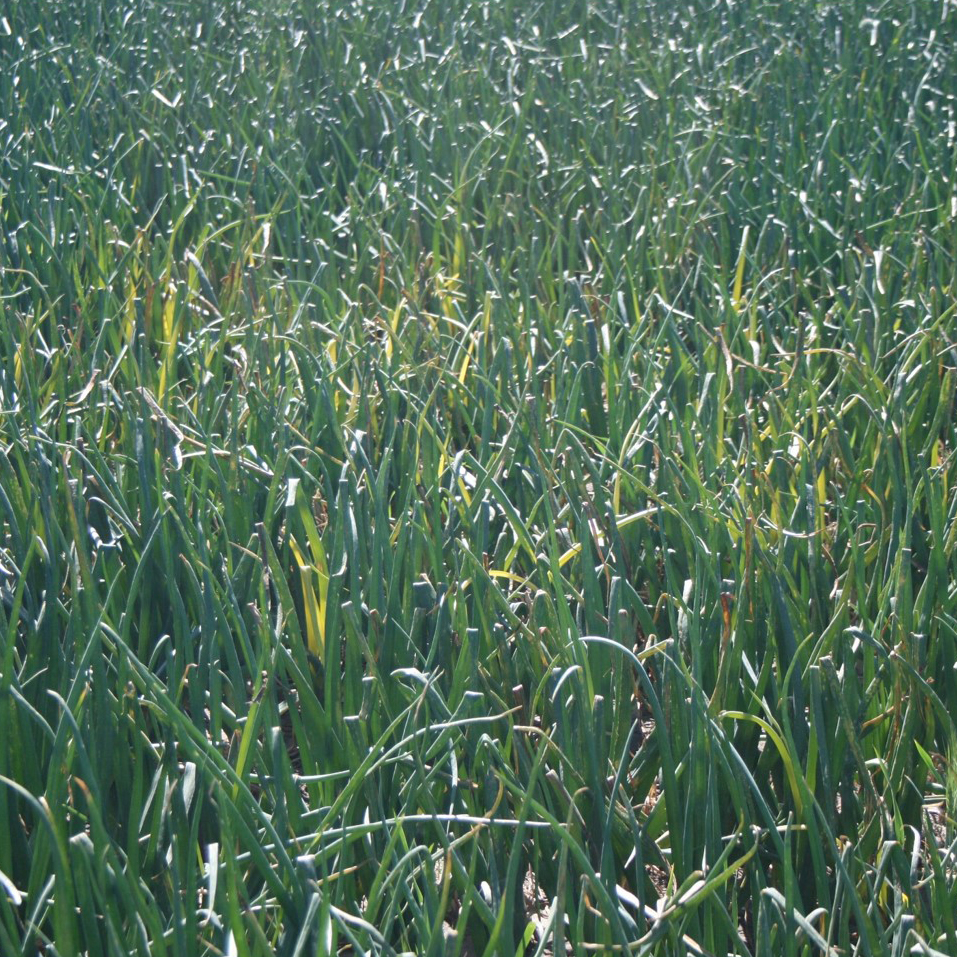
- Contaminated seed and transplants
- Storm damage, rain, hail, frost damage
- Mechanical wounds, insects (thrips), weeds
- Irrigation – runoff, excess, overhead irrigation
- Excessive fertility, especially post-bulb initiation
- Moderate to high temperatures (>30oC), except for some Pseudomonas (cool to warm)
- Dense plant stands
- Some topping, curing, and handling practices
- Insect pests – maggot, thrips
- Weeds – symptomatic & asymptomatic hosts